Welcome to the Future of Hospitality Industry Design
The hospitality industry is evolving, and inclusivity is at the forefront of this transformation. Creating an inclusive environment isn’t just about ticking boxes; it’s about designing spaces where everyone feels welcome, valued, and comfortable. An inclusive hospitality space takes into account the diverse needs of guests and staff from different backgrounds, cultures, and abilities, ensuring that everyone can enjoy a superior guest experience. A diverse workforce plays a crucial and vital role in enhancing customer satisfaction and building a positive brand image. This guide will walk you through the essential steps to crafting accessible and inclusive hospitality spaces, ensuring your business thrives in a diverse and ever-changing world.
Defining Accessibility and Inclusivity in Hospitality
What is Accessibility?
Accessibility in the hospitality sector also means designing spaces that are physically accessible to everyone, regardless of their abilities. This includes everything from ramps and elevators to wider doorways and accessible restrooms. The goal is to remove physical barriers that might prevent someone from enjoying your hospitality services. An accessible environment caters to the needs of guests with mobility issues, vision or hearing impairments, and other physical disabilities, ensuring they have the same opportunities to enjoy your services as any other guest.
What is Inclusivity?
Inclusivity goes beyond physical accessibility. It encompasses creating an environment where people from diverse backgrounds of all cultural backgrounds, languages, and abilities feel welcome. Inclusivity is about recognizing and celebrating diversity in all its forms, from different cultures and languages to varied sexual orientations and gender identities. An inclusive hospitality space respects and acknowledges the diverse needs and preferences of its guests, fostering a welcoming environment where everyone feels valued and included. This includes being aware of cultural nuances and providing services that cater to a wide range of diverse backgrounds. Inclusive talent practices are essential in promoting equal opportunities, providing training programs, and implementing policies to create a safe and inclusive work environment.
Why Inclusivity Matters: The Business Case
Superior Business Outcomes
Creating inclusive workplaces leads to superior business outcomes. Studies have shown that diverse teams, including diverse talent, bring unique insights and perspectives, driving innovation and improving problem-solving. By promoting diversity, you can attract a diverse customer base, enhance guest satisfaction, and boost employee retention. Diverse teams are more likely to understand and meet the needs of a varied clientele, leading to higher cash flow and increased profitability. Inclusivity also helps in retaining top talent, as employees feel valued and respected, reducing turnover and fostering a culture of a positive work environment.
Guest Satisfaction and Loyalty
When guests feel valued and understood, they are more likely to return and recommend your hospitality business to others. An inclusive environment fosters loyalty and enhances the overall guest experience. Guests who feel that their diverse needs are met will have a more enjoyable stay, leading to positive reviews and repeat visits. Inclusive hospitality practices, such as regarding diversity by offering services in different languages or providing culturally sensitive amenities, can significantly enhance guest satisfaction and loyalty, giving your business a competitive edge.
Regulations and Standards: What You Need to Know
Understanding the Law
Compliance with accessibility regulations and standards is crucial. Familiarize yourself with local and international laws to ensure your hospitality spaces meet the necessary accommodations. These regulations often include requirements for accessible entrances, restrooms, and pathways, as well as guidelines for communication aids and signage. Adhering to these standards not only ensures legal compliance but also demonstrates your commitment to creating an inclusive environment for all guests.
Zero Tolerance Practices
Implement anti-discrimination policies and zero tolerance practices to create a safe and welcoming environment for all guests and staff members. This commitment to inclusion reflects your core values and enhances your brand reputation. Establish clear policies against discrimination based on race, gender, sexual orientation, disability, or any other characteristic. Train your staff to recognize and address any discriminatory behavior, ensuring that your hospitality business remains a welcoming and inclusive environment for everyone.
Space Planning and Layout
Creating a Welcoming Entrance
First impressions matter. Design entrances that are physically accessible and aesthetically pleasing. Consider automatic doors, ramps, and clear signage to guide all guests seamlessly. A welcoming entrance sets the tone for the entire guest experience, making it crucial to ensure that it is both functional and inviting. Use wide, non-slip walkways and ensure that entrances are well-lit and free of obstacles. Providing seating areas near the entrance can also be a thoughtful touch for guests who may need to rest.
Lobby Love: Designing an Inclusive Environment in Common Areas
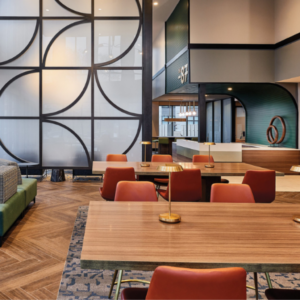
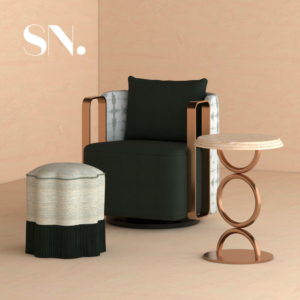
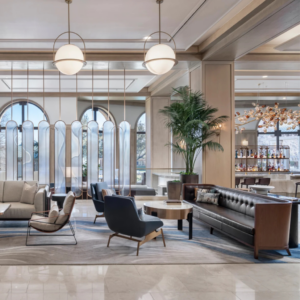
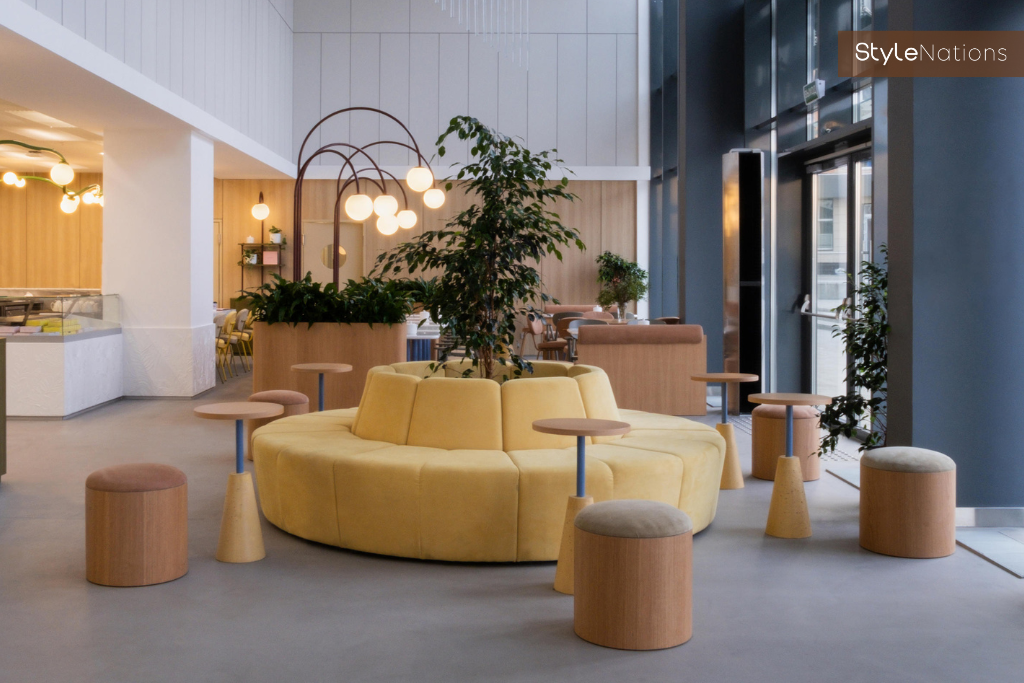
Common areas like lobbies should be spacious, well-lit, and free of obstacles. Use furniture that accommodates different needs and preferences. StyleNations offers a diverse range of customizable furniture that blends style with inclusivity, ensuring every guest feels comfortable. Consider creating distinct seating areas that cater to various social and accessibility needs. For example, provide low seating for guests with mobility challenges and quiet corners for those who may need a sensory-friendly environment. Incorporate artwork and décor that reflect the diversity encompasses different cultures, creating a welcoming environment that resonates with a diverse range of guests.
Navigating Corridors and Hallways with Ease
Wide corridors and hallways with non-slip flooring and adequate lighting are essential. Clear signage in different languages can help overcome language barriers, making it easier for guests from different backgrounds to navigate. Ensure that corridors are free of clutter and obstacles, and consider adding handrails for added support. Providing clear directional signs and maps in multiple languages helps guests feel more confident and independent, improving their overall experience. Additionally, consider incorporating wayfinding technology to assist guests with visual impairments, such as tactile maps and auditory guides.
Guest Rooms and Suites
Designing Accessible Guest Rooms
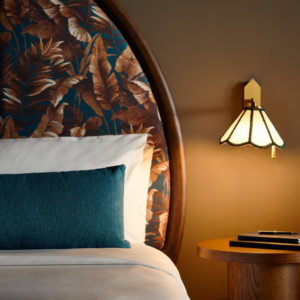
Accessible guest rooms should feature wider doorways, grab bars in bathrooms, and adjustable furniture. Consider sensory stimuli like soft lighting and soundproofing to cater to guests with sensory sensitivities. Ensure that light switches and other controls are easily reachable from a seated position and that the room layout allows for easy maneuverability. Providing adjustable beds and accessible storage solutions can also enhance the comfort and convenience of your guests. Offer a variety of pillow types and mattress firmness options to cater to different preferences and needs.
Inclusive Bathrooms: More Than Just Grab Bars
Accessible bathrooms should have roll-in showers, adjustable showerheads, and easy-to-reach amenities. StyleNations can help you design bathrooms that are both functional and stylish, meeting the diverse needs of your guests. Ensure that bathroom fixtures are easy to use for guests with limited dexterity and that the space is large enough to accommodate wheelchairs or mobility aids. Consider adding non-slip mats and clear signage to enhance safety and accessibility. Providing a selection of toiletries that cater to different skin sensitivities and preferences can also enhance the guest experience.
Furniture Fun: Choosing Pieces that Work for Everyone
Select furniture that is both inclusive and stylish. Adjustable beds, seating options of varying heights, and ergonomic designs ensure all guests can enjoy their stay. StyleNations offers a range of customizable furniture to fit any design vision. Incorporate furniture that supports different postures and mobility needs, and use materials that are both durable and comfortable. Providing options for different seating arrangements can also enhance the versatility and inclusivity of your spaces. Consider incorporating multifunctional furniture that can be easily adjusted or reconfigured to meet diverse needs.
Dining and Entertainment Areas
Accessible Dining: Setting the Table for All
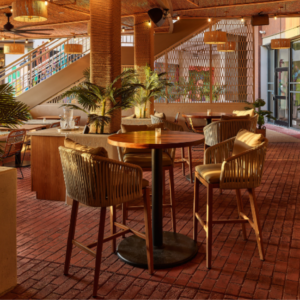
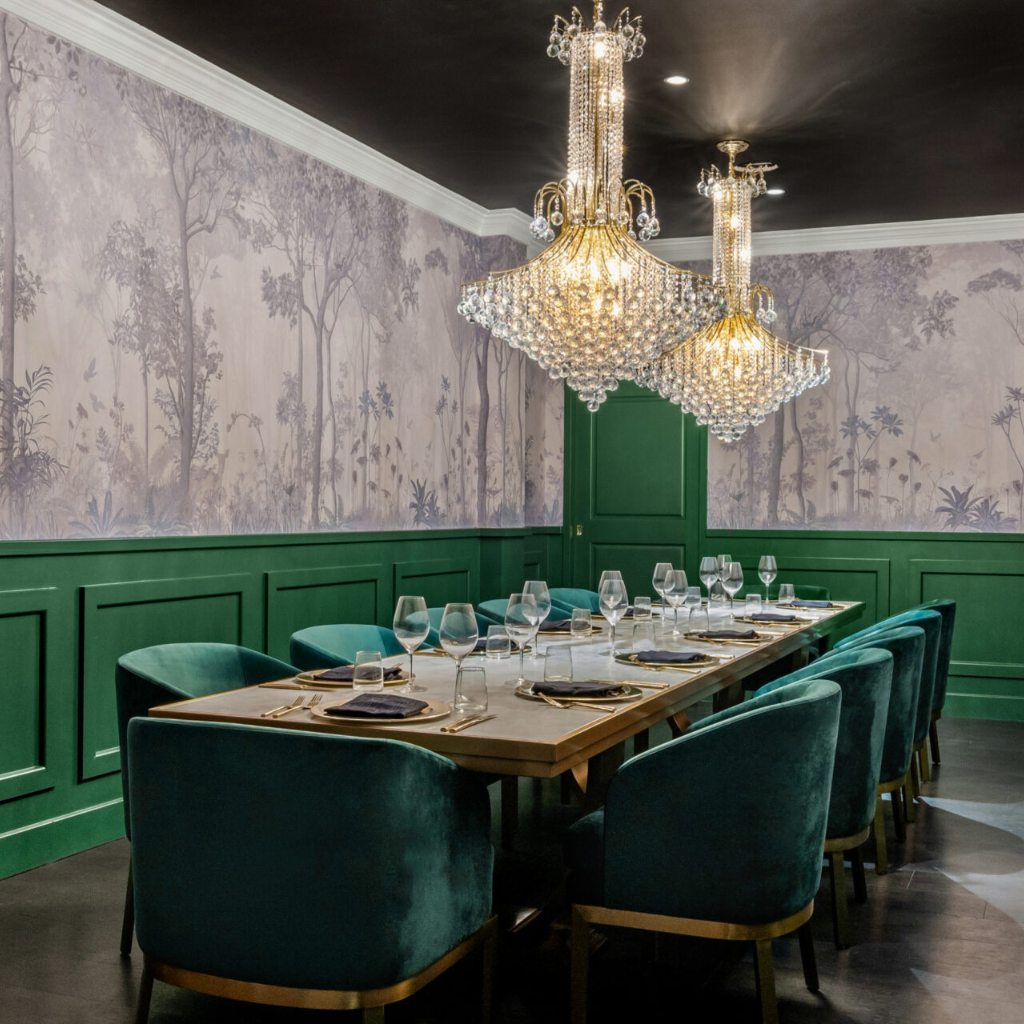
Create dining areas that accommodate wheelchairs and other mobility aids. Use tables of varying heights and offer menus in different languages and formats to cater to a diverse customer base. Ensure that pathways between tables are wide enough for easy navigation and that seating options include chairs with and without armrests. Providing high-contrast menus and braille options can also enhance the dining experience for guests with visual impairments. Consider offering a variety of dining options, such as communal tables and private booths, to cater to different social preferences.
Bar Design: Cheers to Inclusivity
Design bar areas with accessible counters and seating options. Ensure that guests with different abilities can enjoy the space comfortably. Inclusive hospitality means everyone can join in the fun. Consider adding lower counters for wheelchair users and providing a variety of seating options, from bar stools to comfortable lounge chairs. Ensuring that bar areas are well-lit and free of obstructions can also enhance accessibility and safety. Offering a selection of non-alcoholic beverages and mocktails can cater to guests with different preferences and dietary restrictions.
Entertainment Spaces: Fun for Everyone

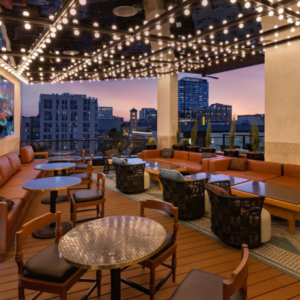
Entertainment areas should be designed with inclusivity in mind. Provide accessible seating, clear signage, and sensory-friendly options to ensure all guests can enjoy the amenities. Create distinct zones within entertainment spaces to cater to different preferences, such as quiet areas for relaxation and lively spots for socializing. Use inclusive design principles to ensure that all guests can participate in activities and enjoy the entertainment offerings. Consider offering a variety of entertainment options, from live performances to interactive games, to cater to a diverse range of interests.
Outdoor Spaces and Amenities
Patio Perfection: Accessible Outdoor Areas

Outdoor spaces should be easily accessible, with ramps, wide pathways, and shaded areas. StyleNations’ outdoor furniture is designed to be both durable and inclusive, perfect for creating inviting outdoor environments. Use non-slip surfaces and ensure that pathways are well-maintained and free of obstacles. Providing comfortable seating and shaded areas can enhance the outdoor experience for all guests, making it a welcoming environment for everyone. Consider incorporating sensory gardens with plants that appeal to different senses, creating a tranquil retreat for every guest.
Pools and Spas: Relaxation for All
Ensure pools and spas are accessible with ramps, lifts, and handrails. Offer sensory-friendly environments to cater to guests with different needs. Provide clear signage and instructions for the use of accessibility features, and ensure that staff are trained to assist guests as needed. Creating inclusive pool and spa areas not only enhances the guest experience but also demonstrates your commitment to accessibility, inclusion, and inclusivity. Consider offering a variety of spa treatments that cater to different preferences and needs, from aromatherapy to hydrotherapy.
Gardens and Green Spaces: Nature for Everyone
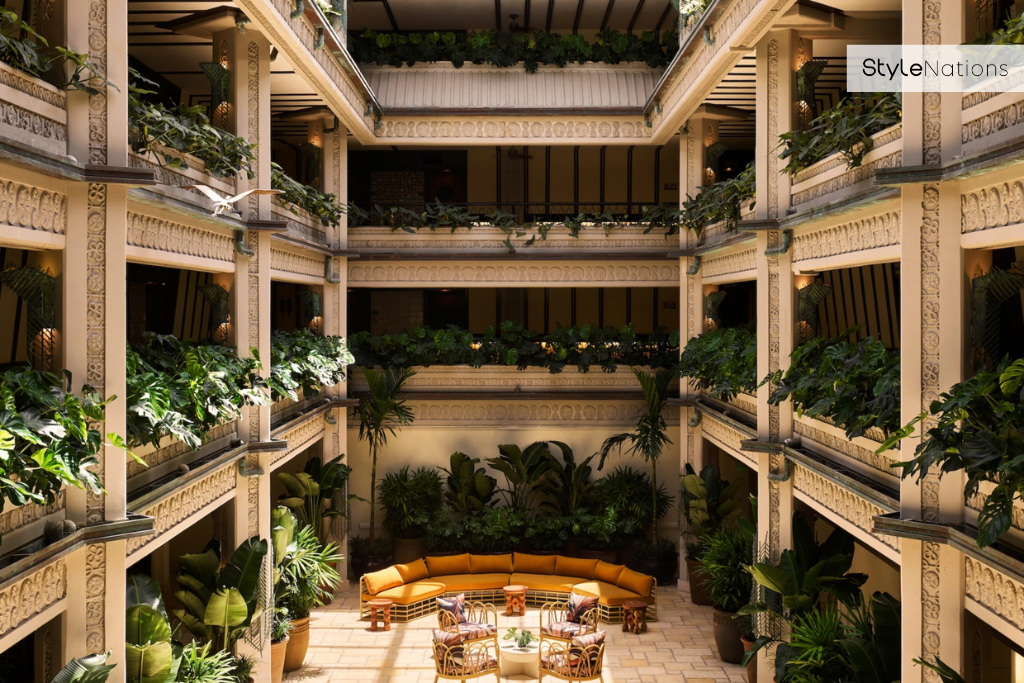
Design gardens and green spaces that are accessible to all. Include sensory gardens with plants that appeal to different senses, creating a tranquil retreat for every guest. Ensure that pathways are wide and smooth, and provide seating areas that are easily accessible. Using a variety of plant species that cater to different sensory preferences can enhance the inclusivity and enjoyment of your outdoor spaces. Consider incorporating elements like water features, sculptures, and shaded seating areas to create a dynamic and engaging outdoor environment.
Technology and Accessibility
Smart Tech for Smart Design
Incorporate smart technology to enhance accessibility. Voice-activated controls, automated lighting, and mobile apps can significantly enhance the guest experience. Use technology to provide information about accessibility features and services, and ensure that these tools are user-friendly and available in multiple languages. Integrating smart tech into your hospitality spaces can make it easier for guests to navigate and enjoy their stay, creating an inclusive environment that caters to diverse needs. Consider offering virtual concierge services and interactive touchscreens to provide guests with easy access to information and services.
App Magic: Creating a Seamless Guest Experience
Develop apps that provide information about accessibility features, language options, and cultural nuances. These apps can bridge communication gaps and cater to guests from different cultures. Use app features like real-time language translation, customizable preferences, and detailed maps to enhance the guest experience and ensure that all guests feel valued and understood. Providing a seamless digital experience can significantly enhance the overall inclusivity of your hospitality spaces. Consider incorporating features like in-app room service ordering, activity booking, and personalized recommendations to enhance convenience and engagement.
Aesthetic Considerations
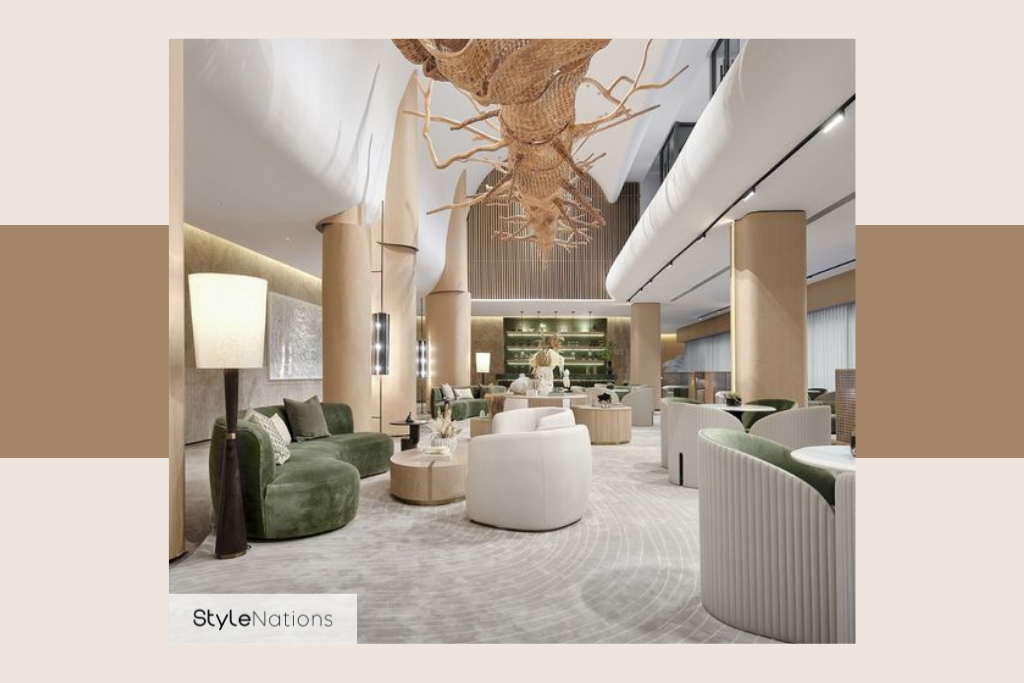
Color Psychology: Creating a Welcoming Atmosphere
Use color psychology to create a welcoming environment. Choose colors that evoke comfort and relaxation, making every guest feel at home. Consider using a mix of warm and cool tones to create a balanced and inviting atmosphere. StyleNations can help you select color schemes that align with your brand and enhance the inclusivity of your spaces. Using colors that are culturally sensitive and avoiding overly bright or harsh tones can also create a more inclusive environment. Consider incorporating accent colors and patterns that reflect the cultural backgrounds of your diverse team and guest base.
Lighting the Way: Inclusive Lighting Design
Lighting in hospitality space plays a crucial role in accessibility. Use adjustable lighting to cater to different needs and preferences. StyleNations offers a variety of furniture pieces that go with lighting options to create inclusive hospitality spaces. Ensure that lighting is evenly distributed and free of glare, and consider using dimmable lights to allow guests to adjust the brightness to their comfort level. Providing task lighting in key areas, such as workspaces and reading nooks, can also enhance the functionality and inclusivity of your spaces. Consider incorporating natural light and using energy-efficient lighting solutions to create a more sustainable and welcoming environment.
Texture and Touch: Sensory-Friendly Design
Incorporate textures that are soothing and comfortable. Use materials that are easy to clean and maintain, ensuring your spaces are both beautiful and functional. Consider using a variety of textures to create a rich sensory experience, from soft fabrics to smooth surfaces. StyleNations can help you select materials that are both inclusive and aesthetically pleasing, ensuring that your hospitality spaces cater to diverse sensory preferences. Providing tactile elements and using materials that reduce noise can also enhance the sensory comfort of your spaces.
Staff Training and Guest Services
Training Your Team: Creating a Culture of Inclusivity
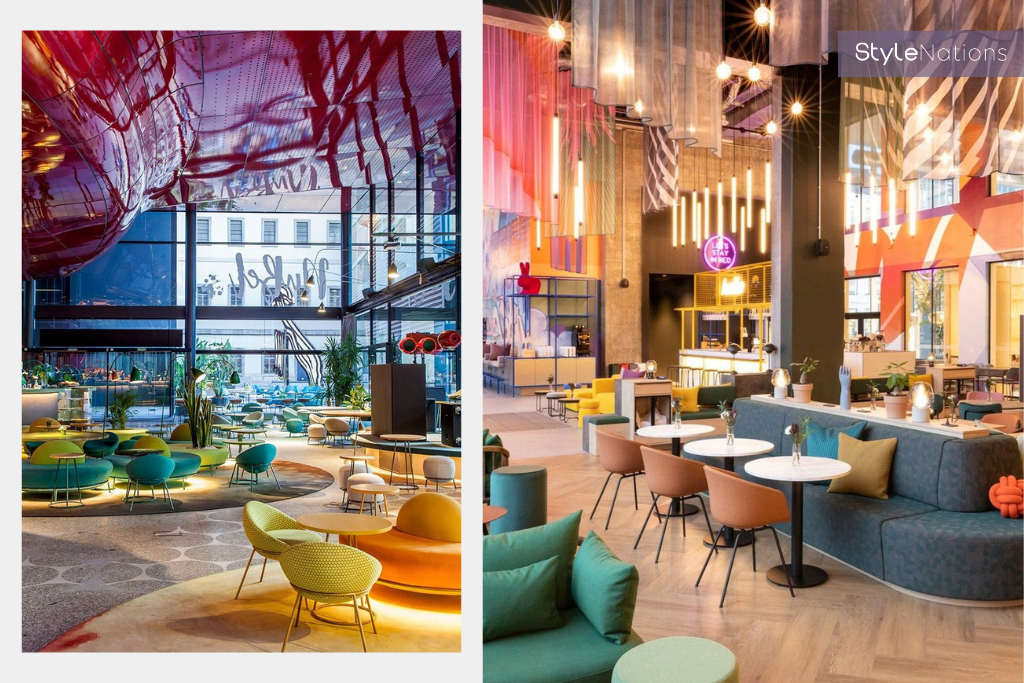
Educate your staff on accessibility workplace diversity, and inclusivity. Offer training on cultural diversity, unconscious bias, and effective communication to create an inclusive work environment. Ensure that staff members understand the importance of creating an environment where all guests feel welcome and valued. Providing ongoing training and support can help staff members stay informed about best practices and new developments in inclusive hospitality. Encourage staff to participate in workshops and educational programs that raise awareness about diversity issues and promote inclusivity.
Guest Services: Going Above and Beyond
Provide exceptional service to all guests. Ensure staff members are trained to handle diverse needs and are knowledgeable about the inclusive features of your hospitality spaces. Encourage staff to go the extra mile to accommodate guests with different backgrounds and preferences, creating a truly welcoming environment. Offering personalized services to diverse candidates and being attentive to individual needs can significantly enhance the guest experience and foster loyalty. Consider implementing feedback mechanisms to continually improve your guest services and address any inclusivity concerns.
Case Studies and Inspirations

Designer Diaries: Tips from the Pros
Gain insights, perspectives and advice from top hospitality designers. Learn how they create inclusive environments that cater to diverse needs and preferences. Discover the latest trends and best practices in inclusive hospitality design, and get practical tips for implementing these ideas in your own spaces. Hearing from experts in the field can provide valuable guidance and inspiration for creating inclusive and accessible hospitality spaces. Consider attending industry conferences and networking events to stay connected with the latest developments and innovations.
Sustainability and Inclusivity
Eco-Friendly and Inclusive: A Perfect Match
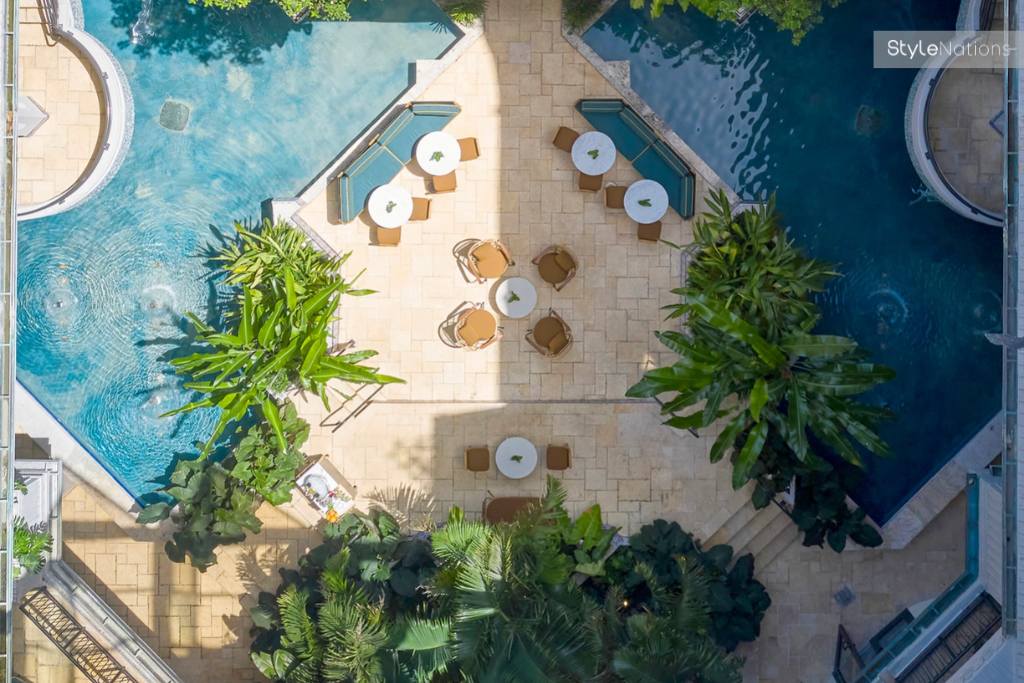
Combine sustainability with accessibility. Use eco-friendly materials and designs that cater to diverse needs, creating spaces that are both inclusive and environmentally responsible. Consider incorporating sustainable practices into your design process, such as using recycled materials and energy-efficient lighting. StyleNations offers a range of eco-friendly furniture options that meet the needs of all guests, ensuring that your hospitality spaces are both green and inclusive. Implementing sustainable practices can also enhance your brand reputation and attract environmentally conscious guests.
Materials Matter: Choosing Inclusive and Sustainable Options
Select materials that are inclusive and sustainable. Find a range of eco-friendly furniture options that meet the needs of all guests from all walks of life. Consider using materials that are durable, easy to clean, and free of harmful chemicals. By choosing sustainable materials, you can create a healthier and more inclusive environment for your guests while also reducing your environmental impact. Incorporate materials that have a minimal carbon footprint and are sourced from ethical suppliers to further enhance your commitment to sustainability.
Challenges and Solutions
Overcoming Common Barriers to Inclusivity
Address and solve common design challenges. From budget constraints to physical limitations, find creative solutions to create inclusive hospitality spaces. Consider using cost-effective design strategies, such as repurposing existing furniture and incorporating flexible layouts. StyleNations can help you find affordable and stylish solutions that meet the diverse needs of your guests. Collaborate with experts and seek feedback from your guests to identify potential barriers and develop effective solutions.
Budget-Friendly Inclusive Design
Create inclusive spaces without breaking the bank. StyleNations offers cost-effective solutions that don’t compromise on style or functionality. Consider prioritizing key areas for inclusivity improvements, such as entrances and common areas, and gradually implementing changes throughout your space. By making thoughtful and strategic investments, you can create a more inclusive environment without exceeding your budget. Look for funding opportunities and grants that support inclusive design initiatives to further offset costs.
The Future of Hospitality Design
Trends to Watch: The Future of Inclusive Hospitality Spaces
Stay ahead of the curve with emerging trends in inclusive hospitality design. From technology to design innovations, explore what’s next in the hospitality industry. Keep an eye on developments in smart technology, sustainable design, and cultural sensitivity, and consider how these trends can enhance the inclusivity of your hospitality spaces. By staying informed about the latest trends, you can ensure that your business remains competitive and relevant in an evolving industry. Consider participating in research studies and pilot projects to test new inclusive design concepts.
Innovation Station: Cutting-Edge Ideas in Inclusive Design
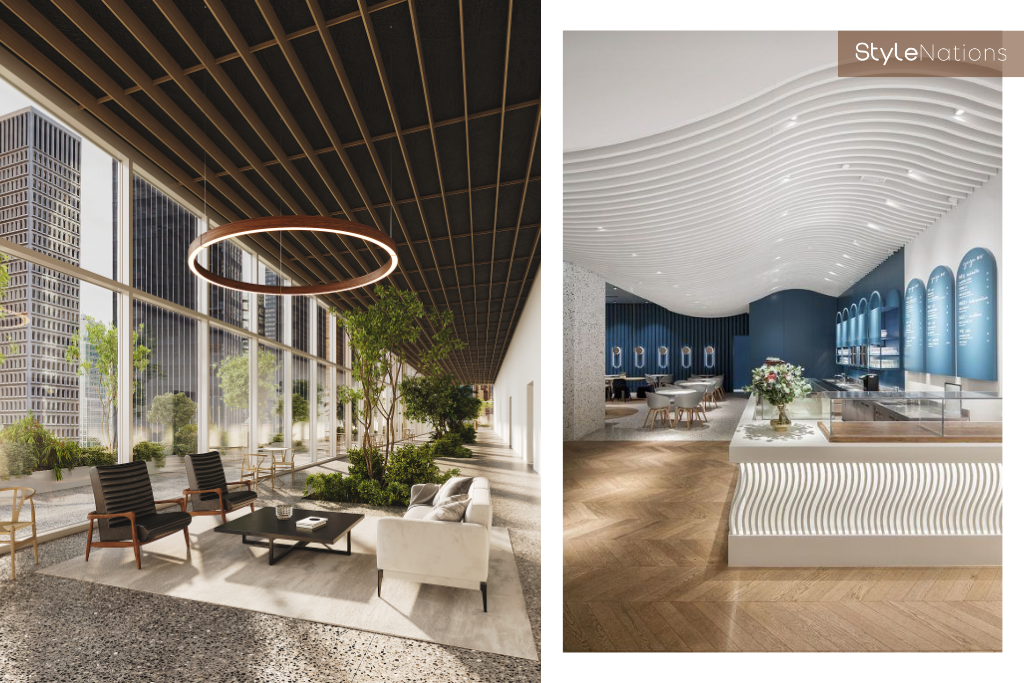
Discover innovative concepts and designs that push the boundaries of inclusivity. Learn how these ideas can transform your hospitality business. From virtual reality tours to personalized guest experiences, explore how cutting-edge technologies and design concepts can create more inclusive and engaging environments. Embrace innovation and think creatively about how to enhance the inclusivity promoting diversity and accessibility of your spaces. Collaborate with technology companies and design firms to stay at the forefront of inclusive hospitality design.
Final Touches
Personalizing Spaces: Adding the Human Touch
Customize your spaces to make every guest feel at home. Personal touches and thoughtful details can create an inclusive environment that resonates with everyone. Consider adding artwork, décor, and amenities that reflect the diverse cultures and backgrounds of your guests. StyleNations can help you incorporate personalized elements into your design, ensuring that your hospitality spaces feel welcoming and unique. Providing personalized welcome messages and amenities can also enhance the guest experience.
Feedback is Key: Listening to Your Guests
Use guest feedback to continuously improve your hospitality spaces. Stay open to suggestions and make necessary adjustments to enhance inclusivity. Encourage guests to share their experiences and provide feedback on your inclusive design efforts. Use this information to identify areas for improvement and to celebrate your successes. By actively seeking and responding to feedback, you can create a more inclusive and responsive environment for your guests. Implement regular surveys and feedback sessions to gather insights and make data-driven decisions.
Practical Guides and Checklists
Your Inclusive Design Checklist

Use this handy checklist to ensure your hospitality spaces are inclusive and accessible. From design elements to staff training, cover all the bases. Include items such as accessible entrances, clear signage, inclusive furniture, and staff training programs. Regularly review and update your checklist to reflect new developments and best practices in inclusive hospitality design. Ensure that all staff members are familiar with the checklist and committed to its implementation.
Resource Round-Up: Tools and Resources for Inclusive Design
Access essential tools and resources for creating inclusive hospitality spaces. From design software to educational programs, find everything you need to succeed. Explore online resources, industry publications, and professional organizations that offer guidance and support for inclusive design. StyleNations can also provide expert advice and customizable solutions to help you achieve your inclusive design goals. Join industry forums and discussion groups to stay connected with peers and share best practices.
Conclusion
Embracing Inclusivity: Your Path to Success
Inclusivity is not just a trend; it’s a vital component of successful hospitality design. By creating inclusive environments, you can enhance guest satisfaction, promote diversity, and achieve superior business outcomes. StyleNations is here to help you every step of the way, offering a diverse range of customizable furniture and design solutions that cater to all needs. Embrace inclusivity and watch your hospitality business